The campaign combined data-driven communication, creative digital content, and strategic media outreach to transform research insights into accessible and engaging messages, fostering public dialogue on children’s online safety.
Campaign Overview
The campaign unfolded in three strategic phases, each designed to progressively inform, engage, and mobilize the public around the issue of children’s online safety.
Phase 1: Raising Curiosity & Driving Participation | 7 November 2024 to 2 December 2024
KMOP kicked off the campaign with the goal of inviting the audience to attend the public discussion “Protection Children: Turning knowledge into power” on 2 December 2024 and sparking interest in the study’s findings.
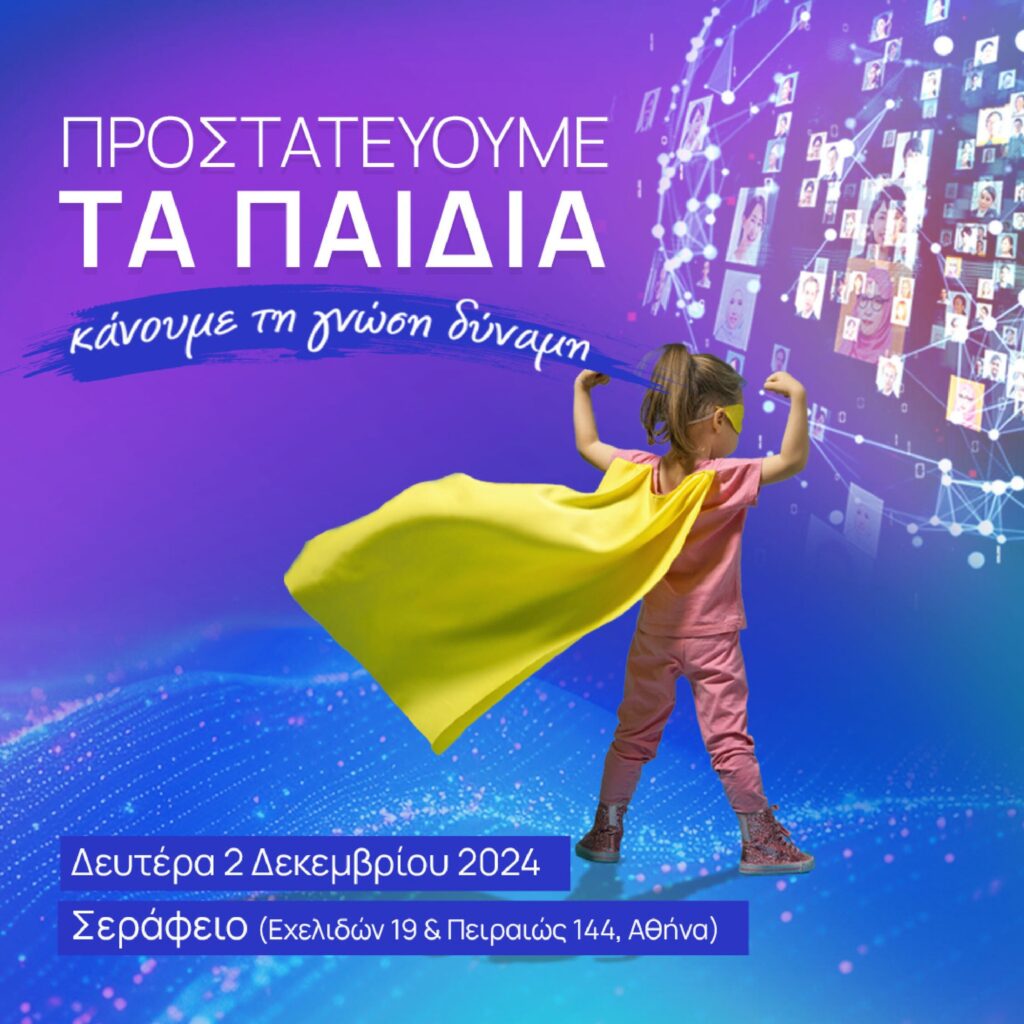
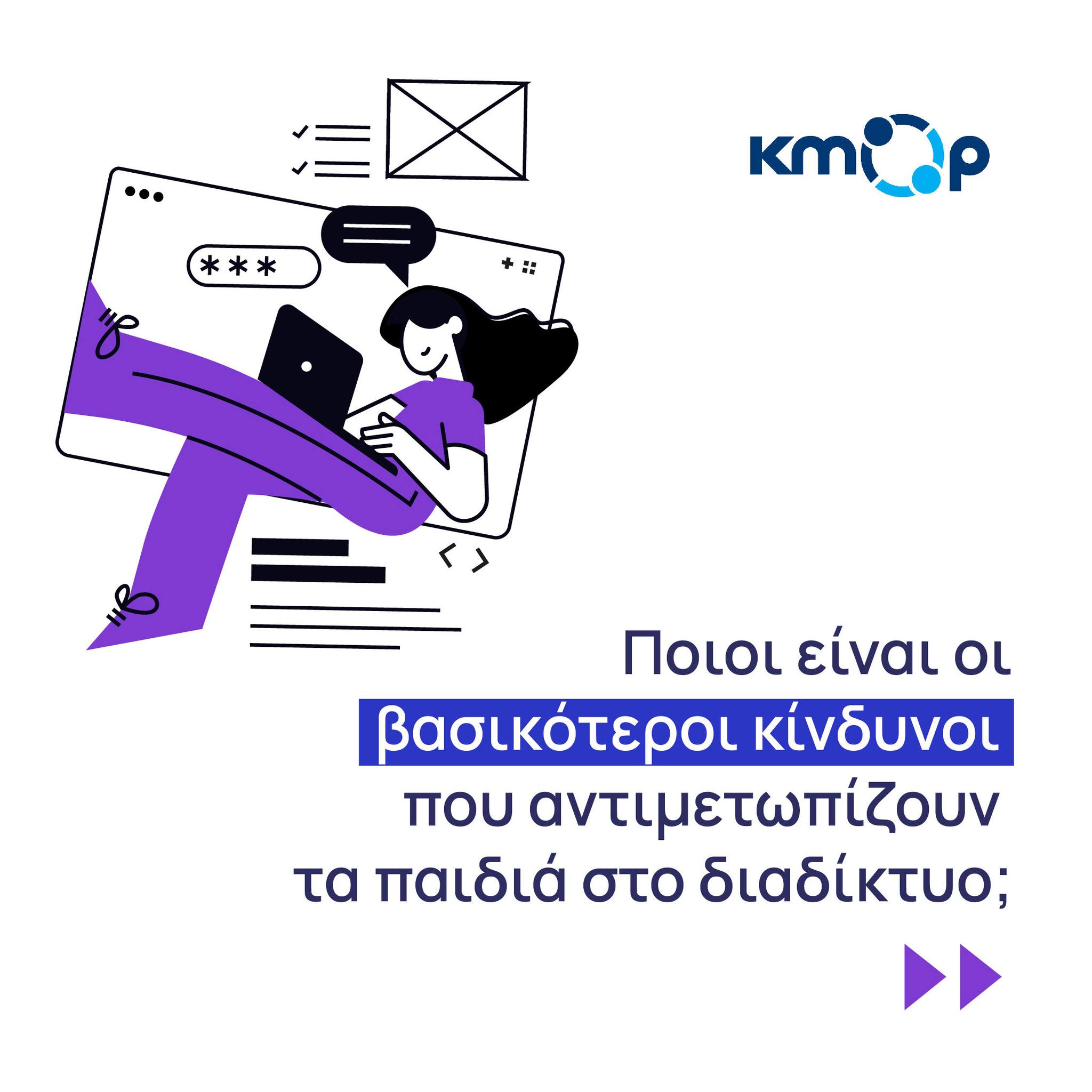
To build momentum ahead of the event, KMOP shared content presenting key questions and visualized research findings on:
- The challenges children face online
- The type of personal information they share on the internet
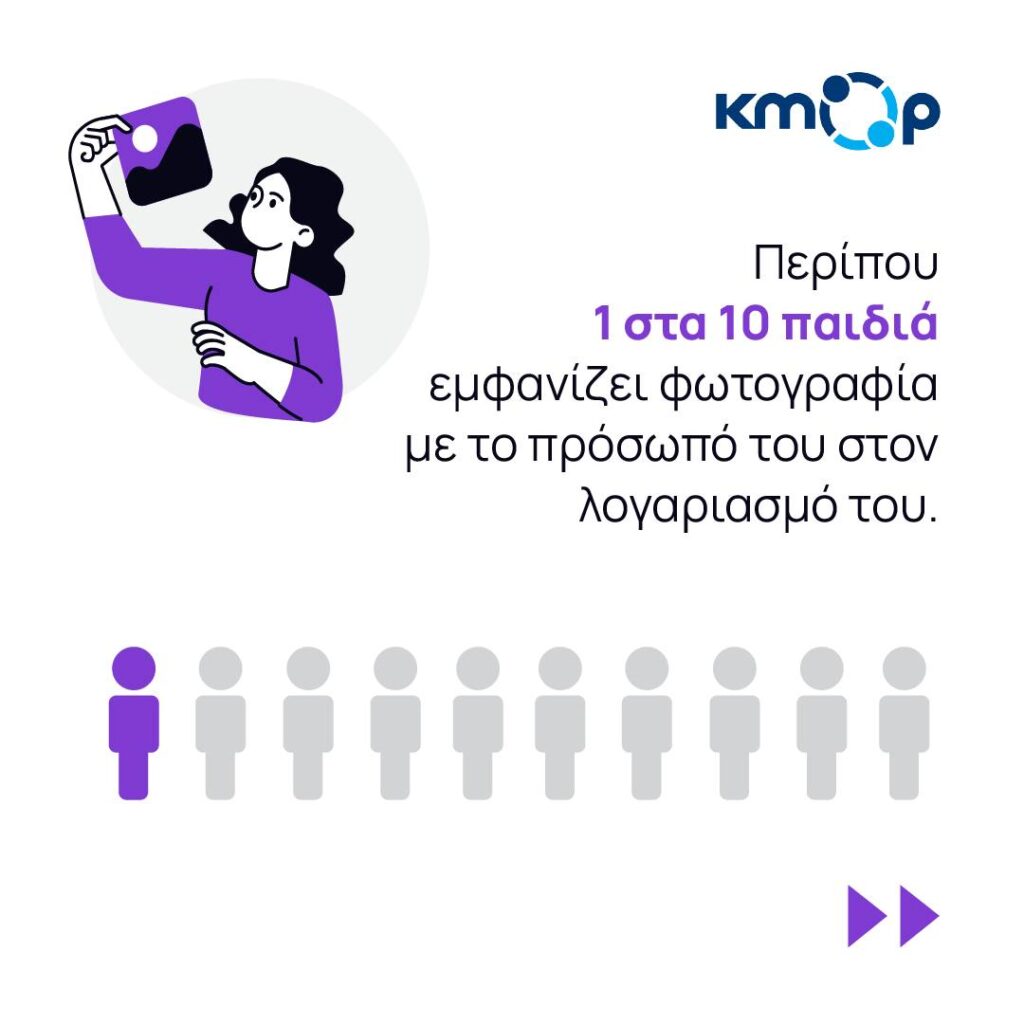
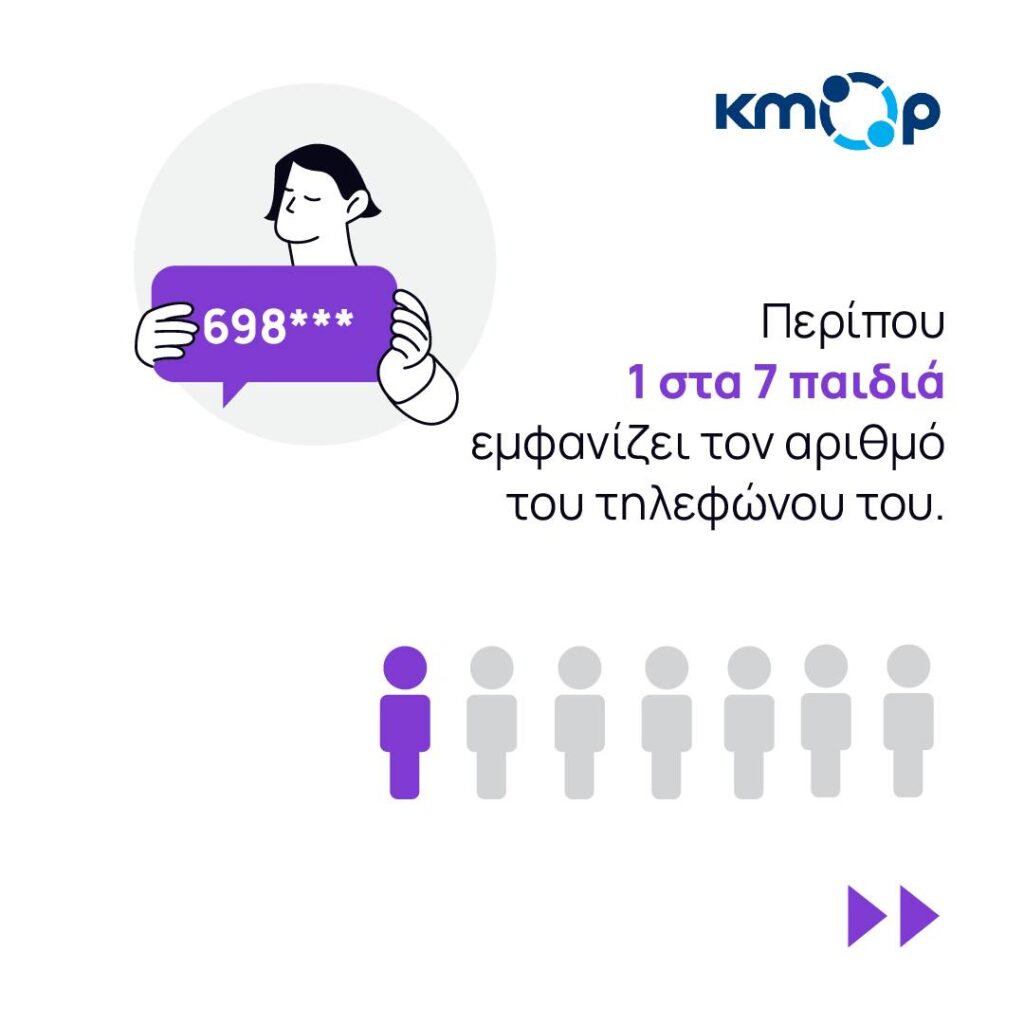
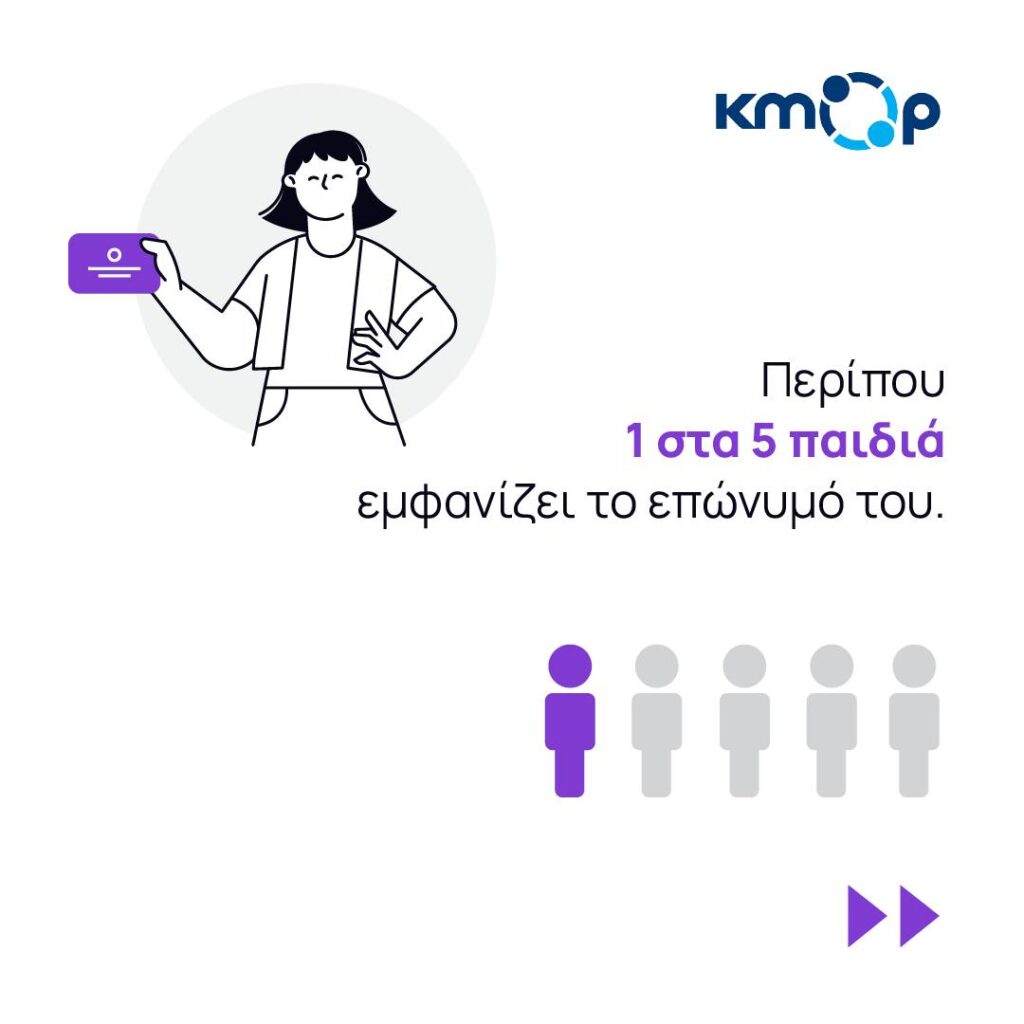
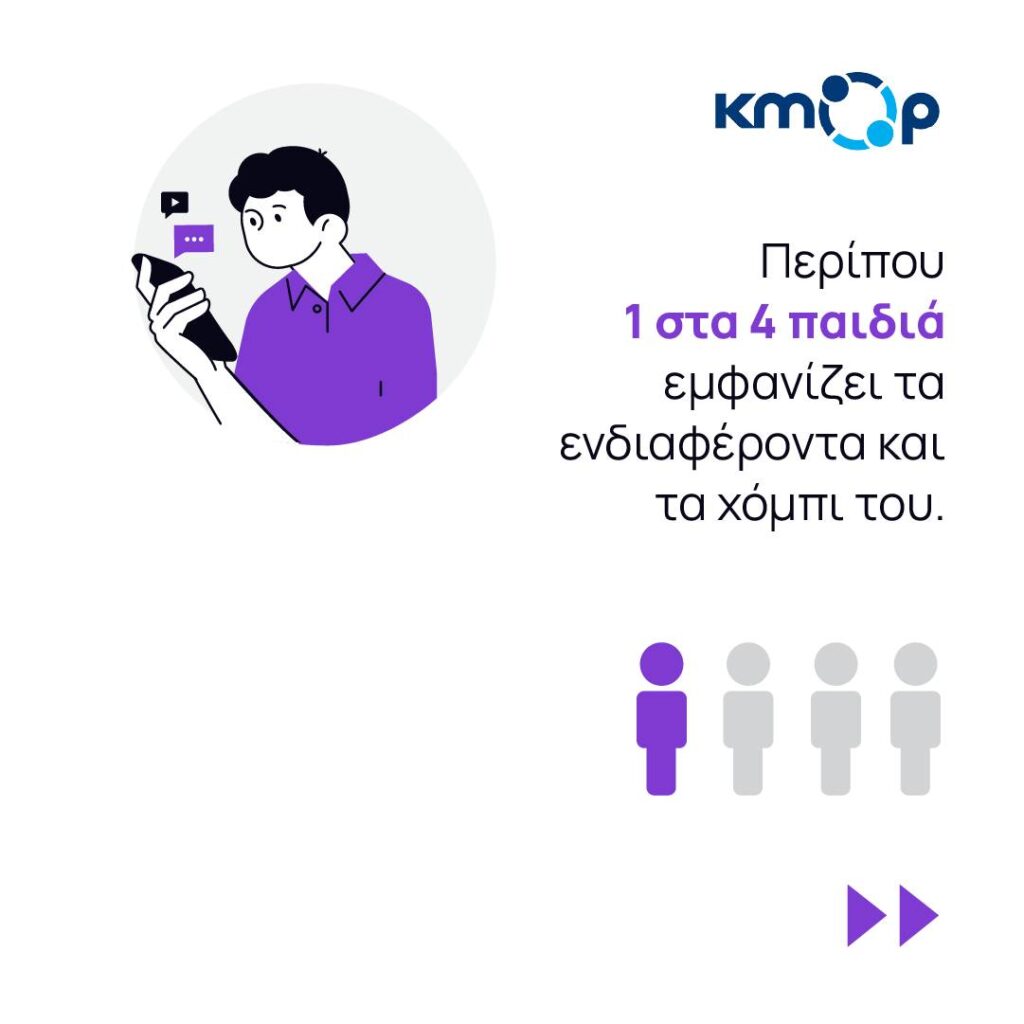
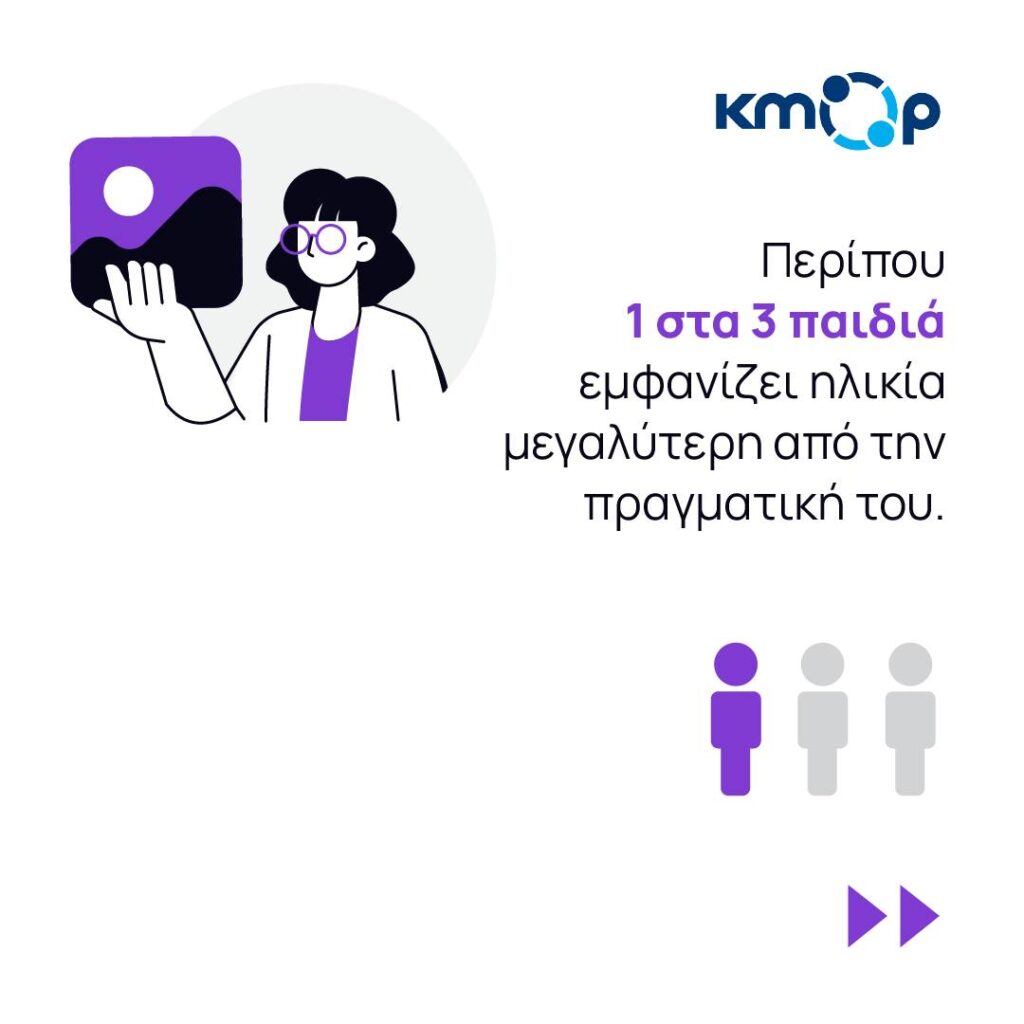
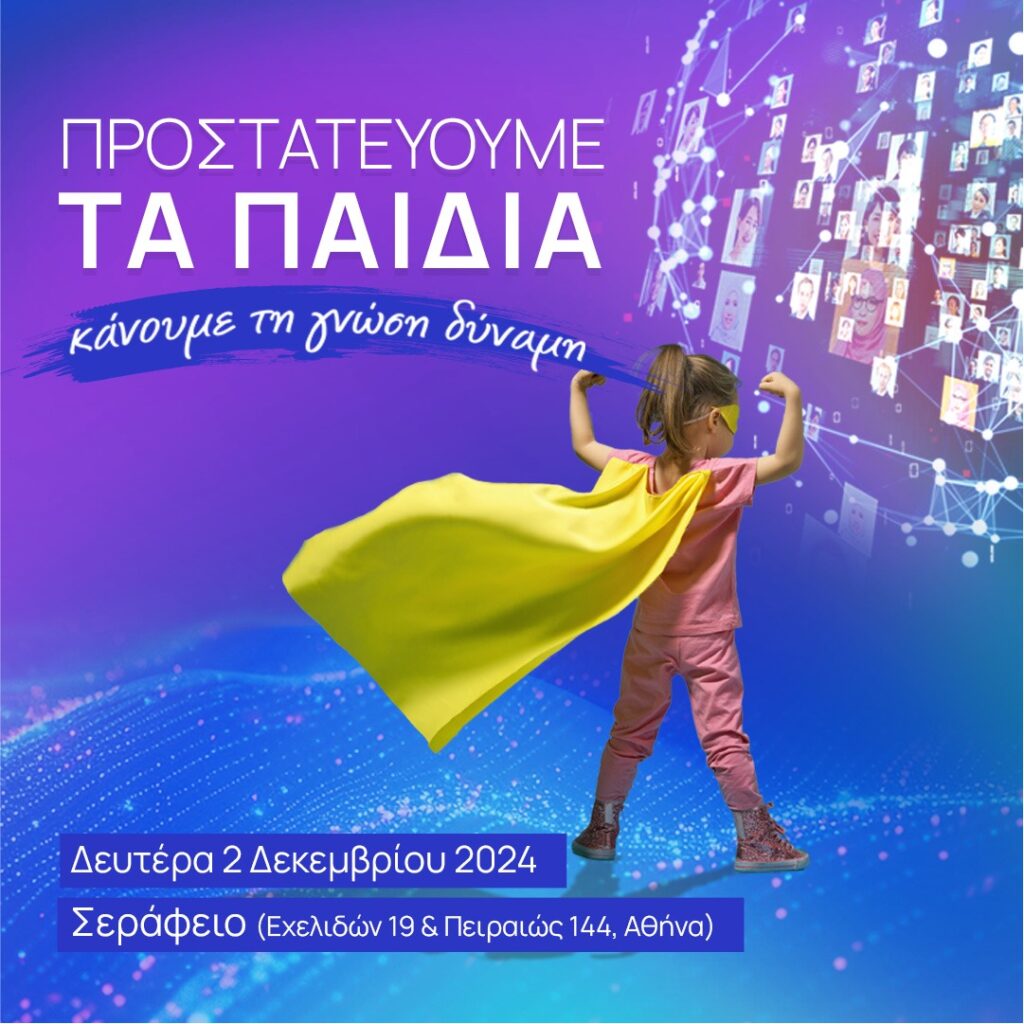
Each post included a strong call to action encouraging followers to join the public discussion to discover how knowledge can be transformed into power to protect children online.
Over 150 participants attended the discussion, contributing to a vibrant exchange between experts, educators, and parents about how to strengthen children’s online safety.
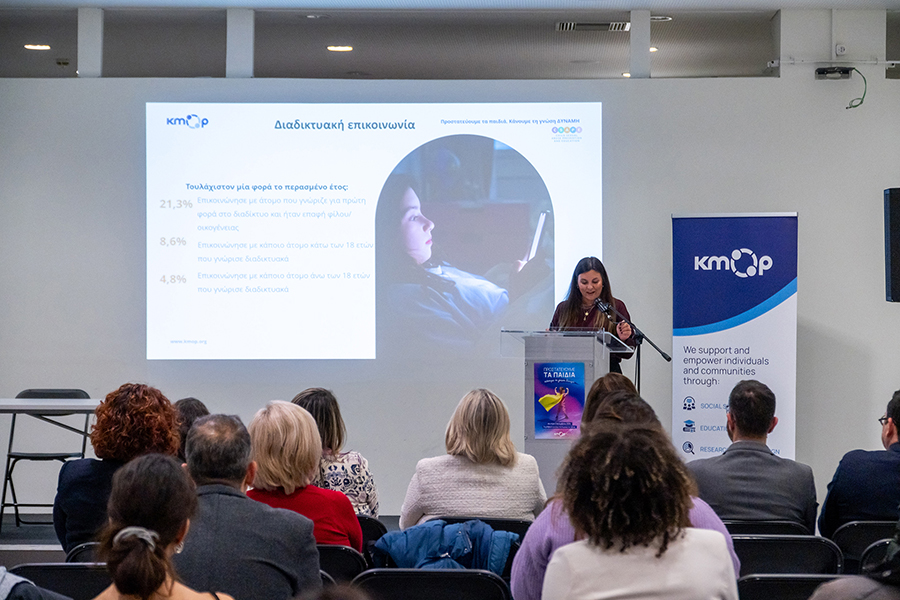
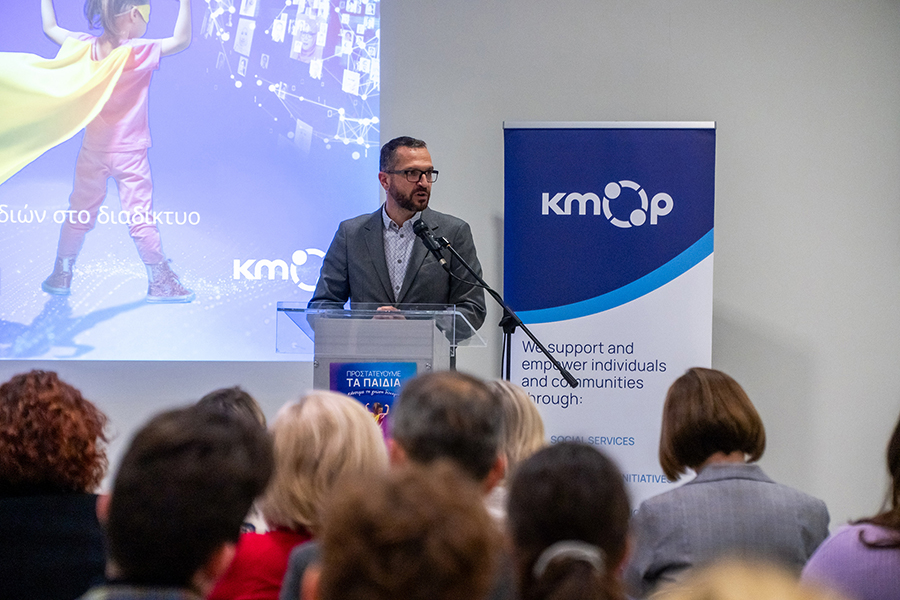
Phase 2: Turning knowledge into power: Explore the study on children’s digital safety | 17 December 2024-08 January 2025
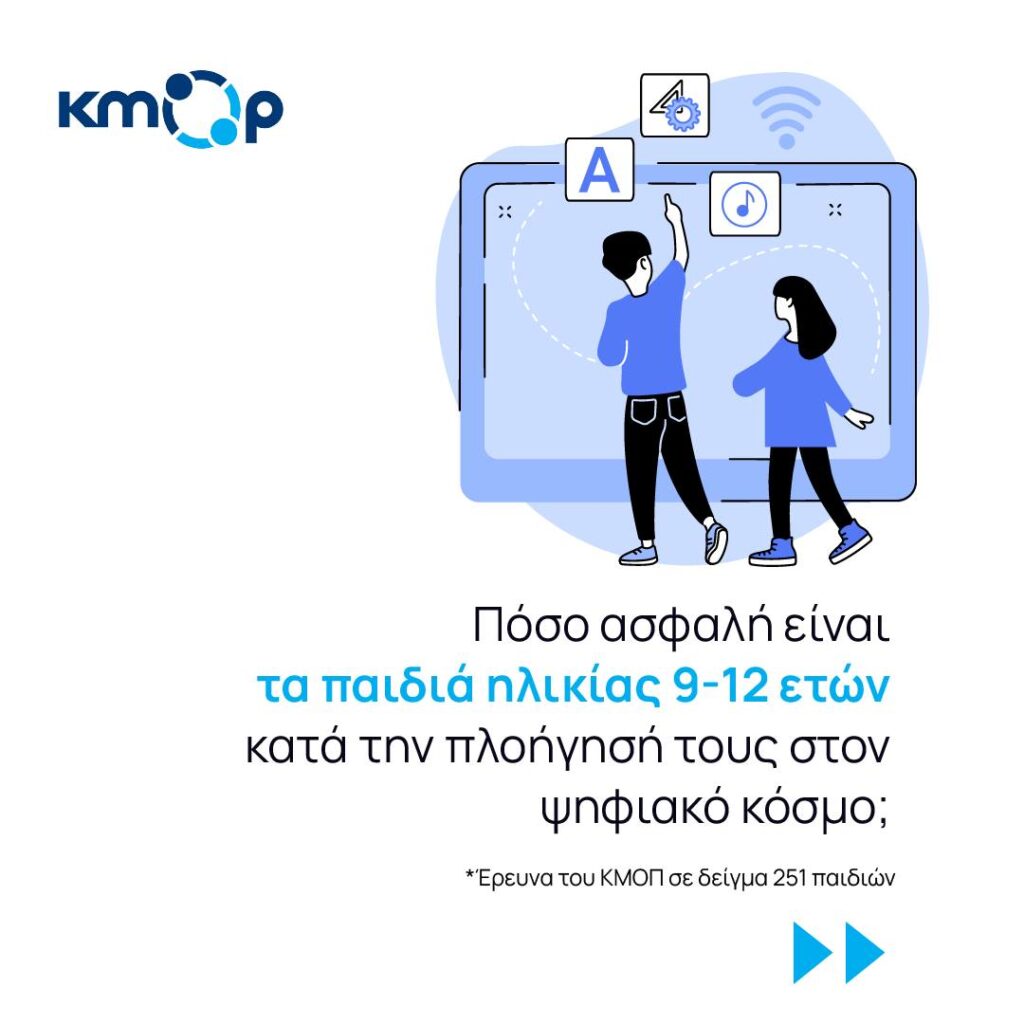
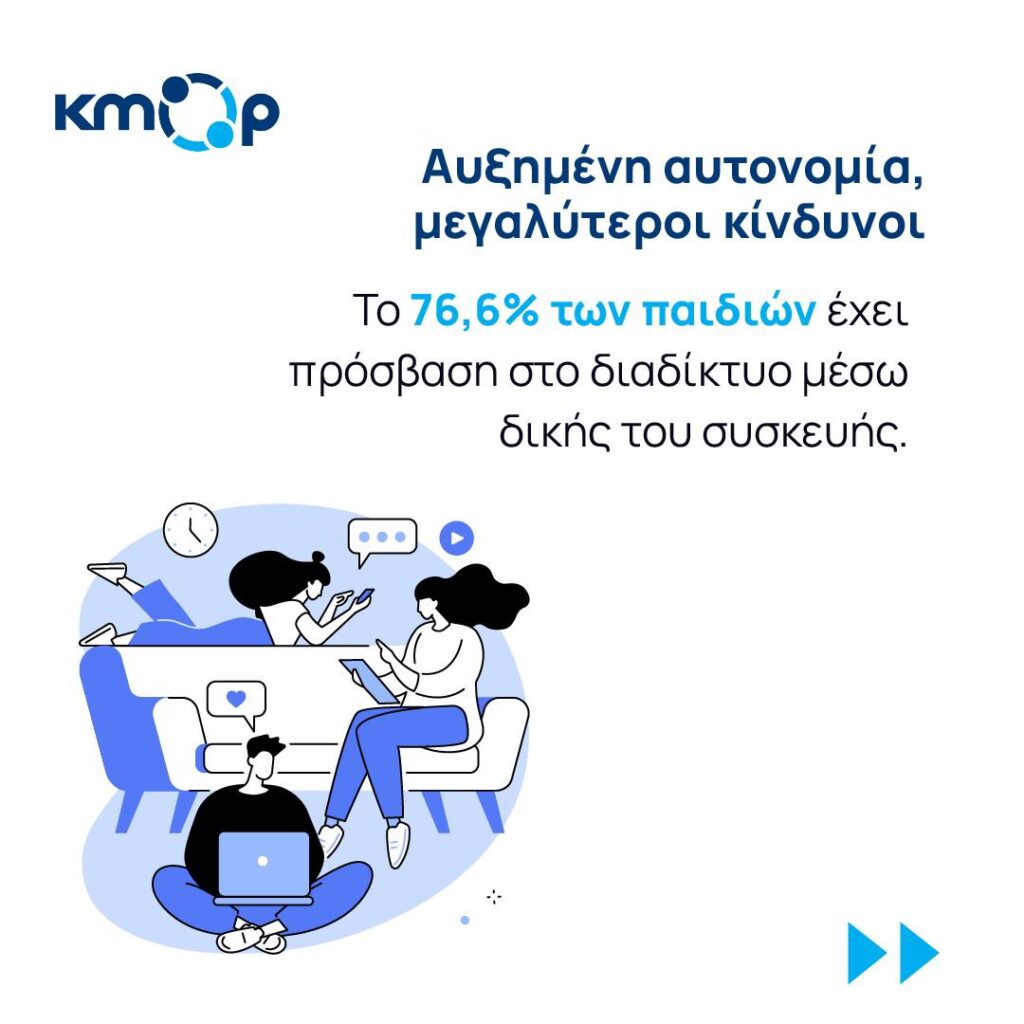
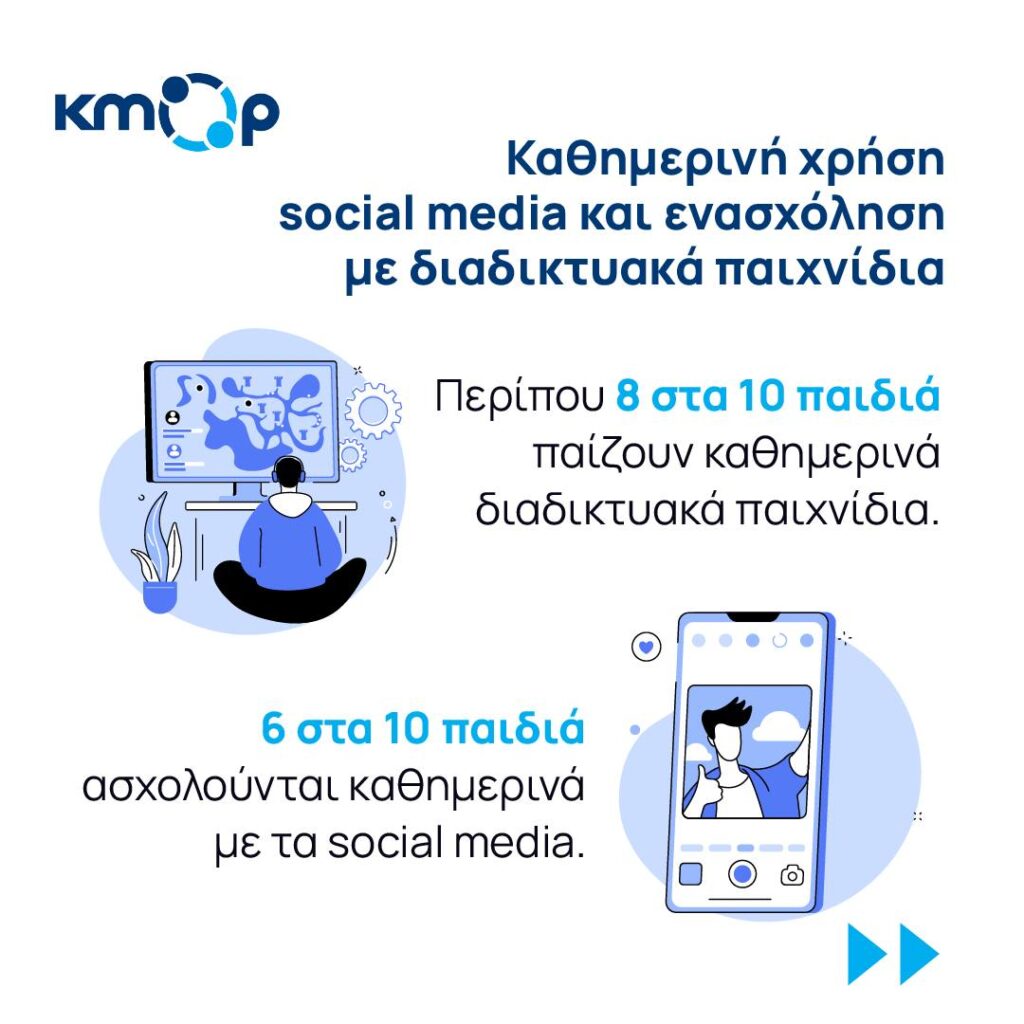
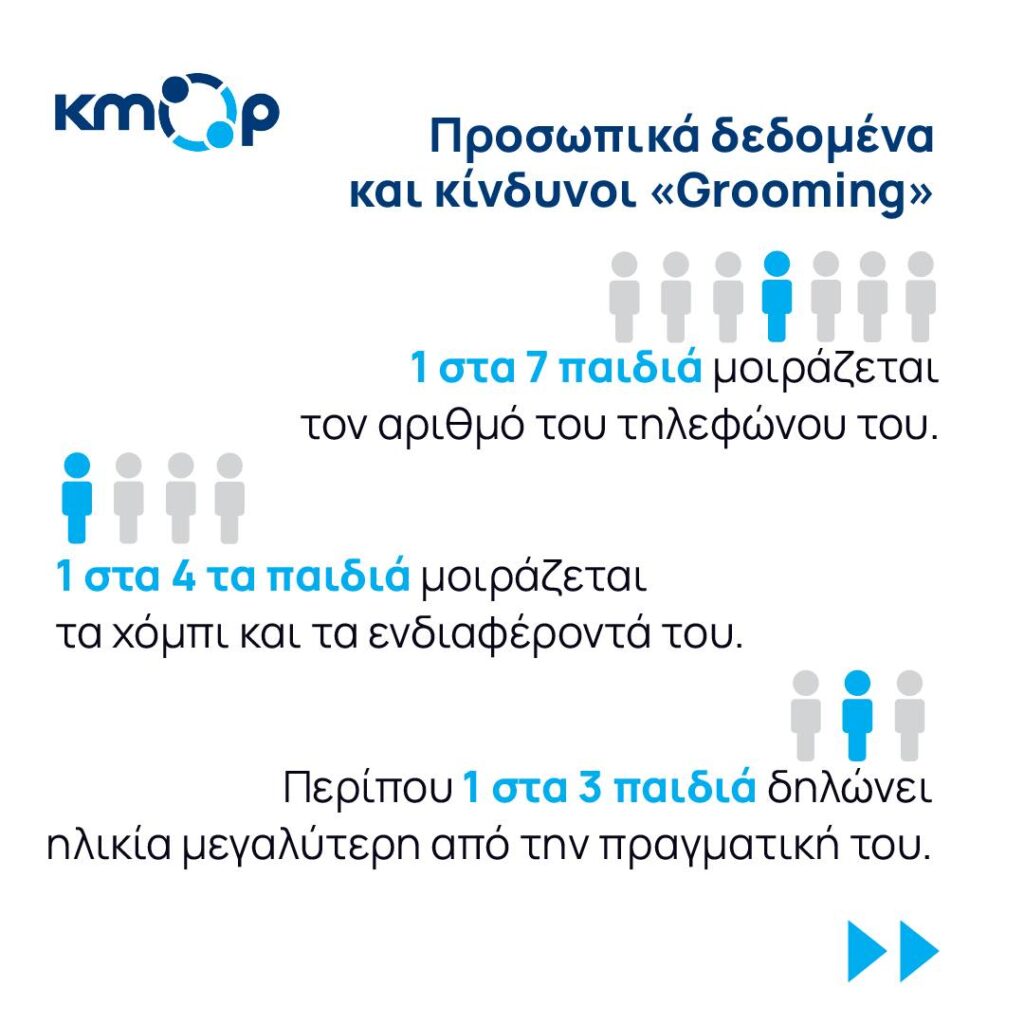
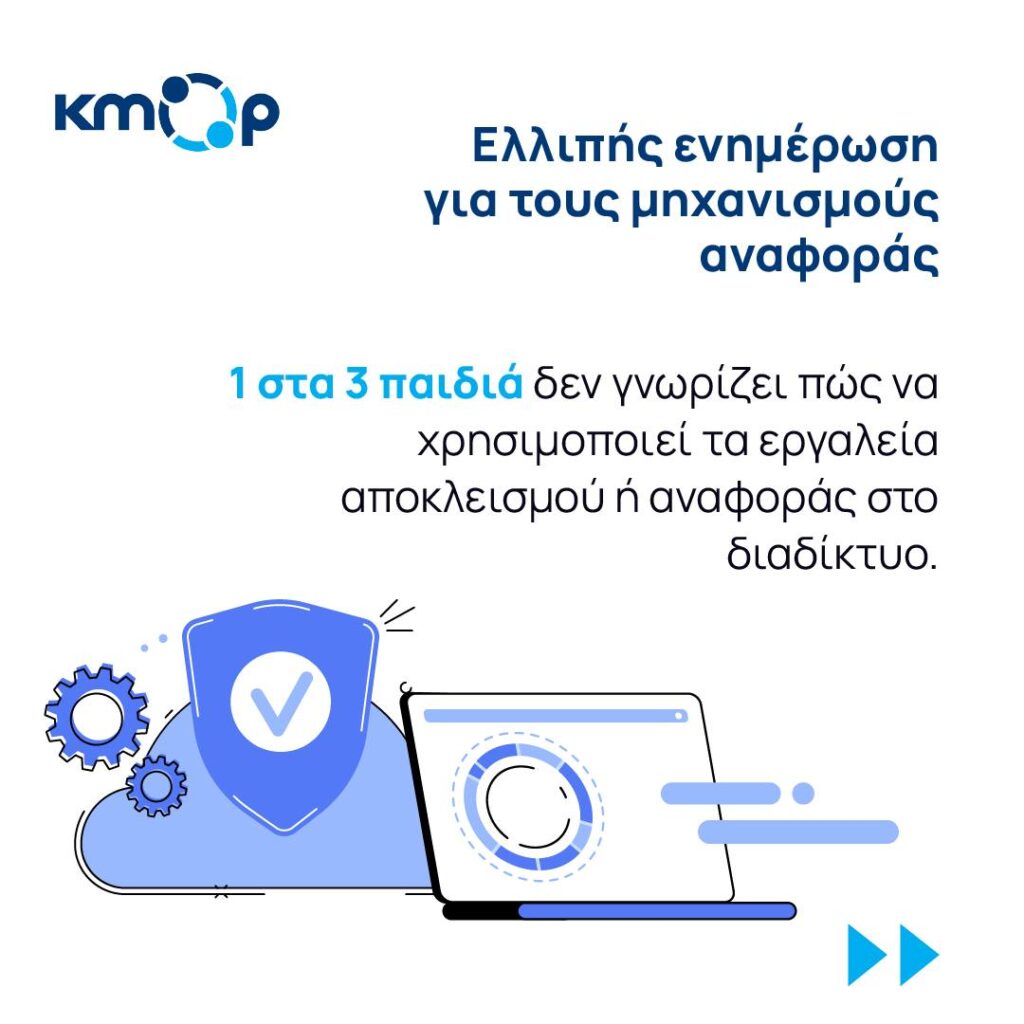
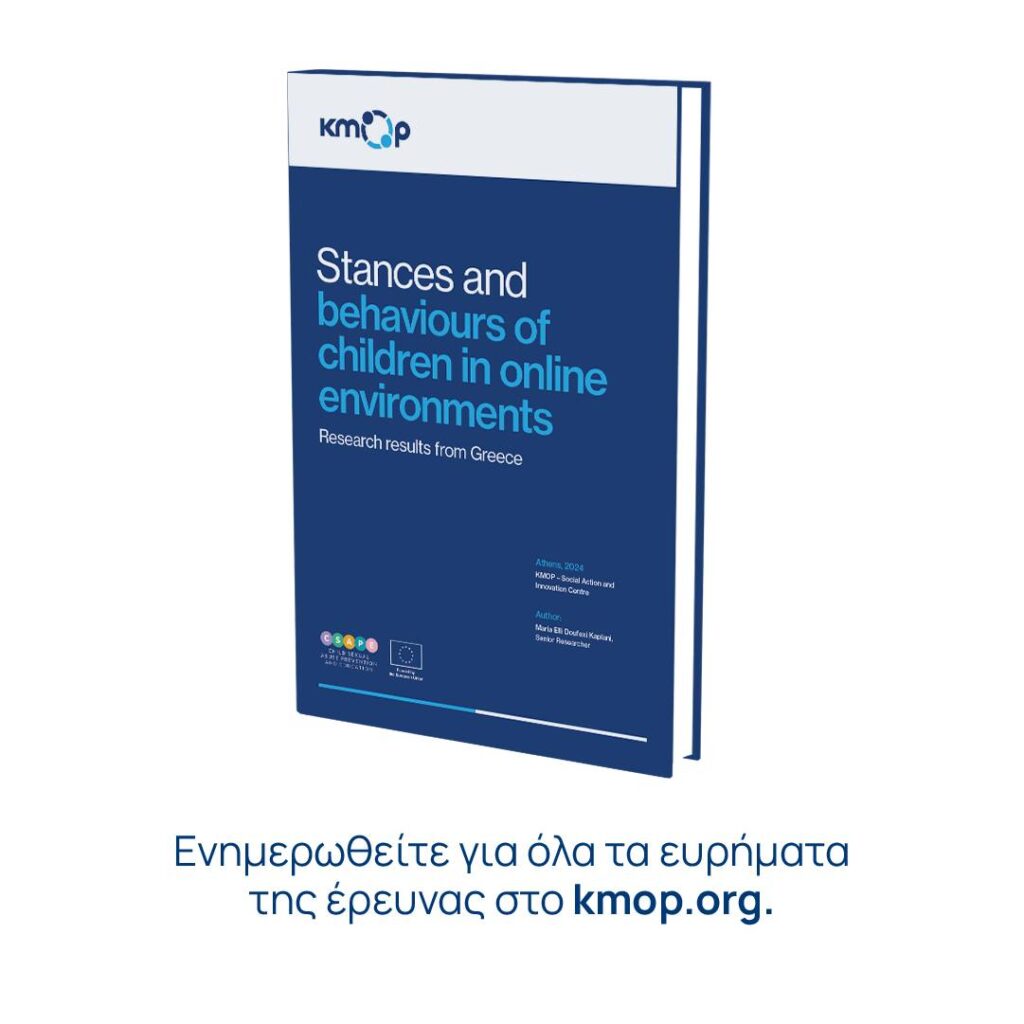
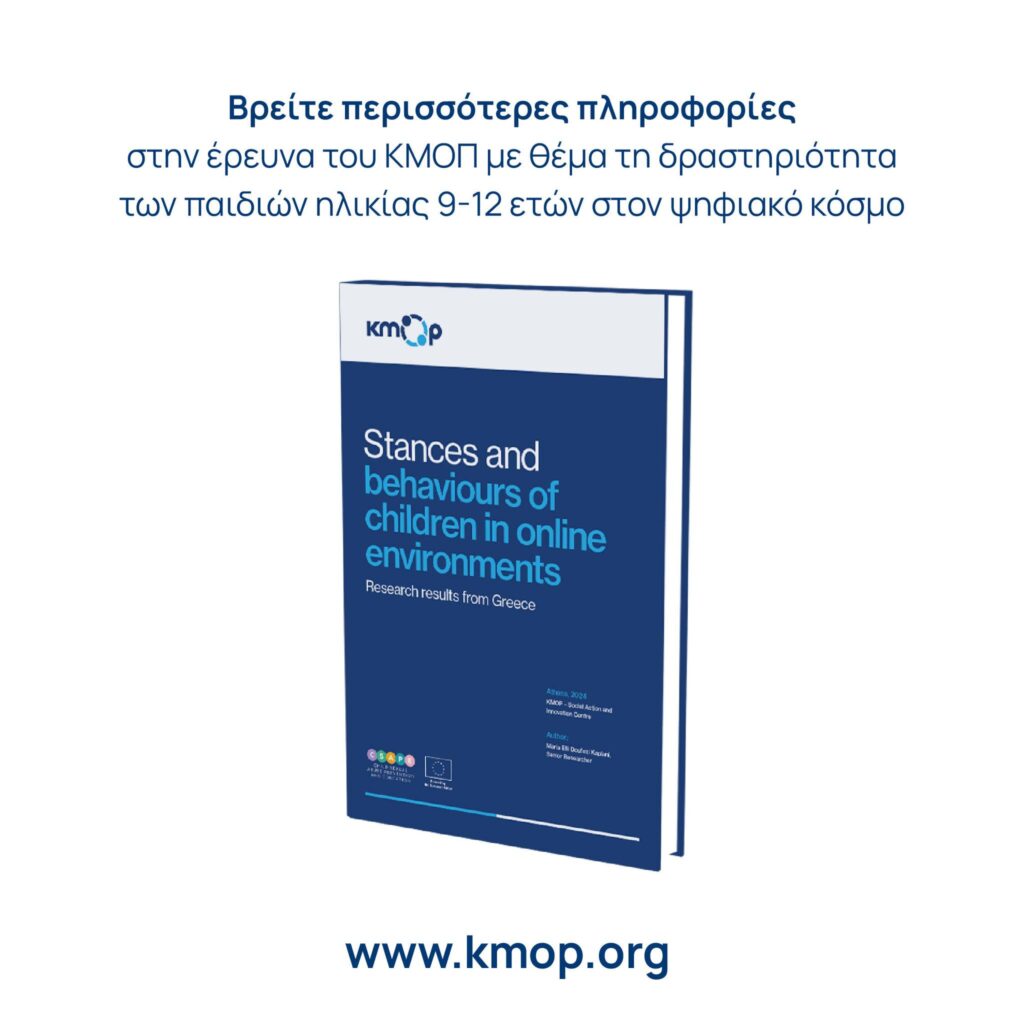
Following the public discussion, KMOP launched a second wave of digital content to stimulate public interest in the national research report. This phase aimed to sustain engagement and deepen understanding of the challenges children face online.
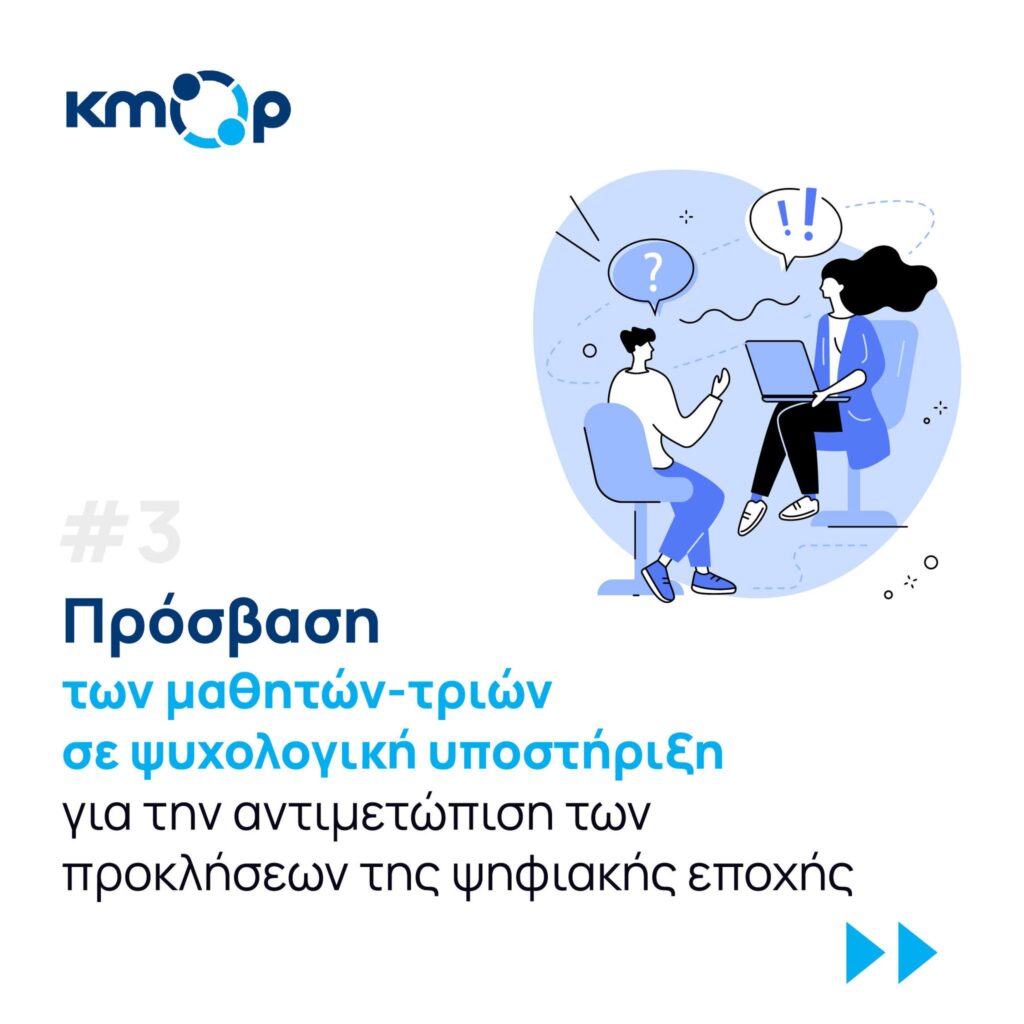
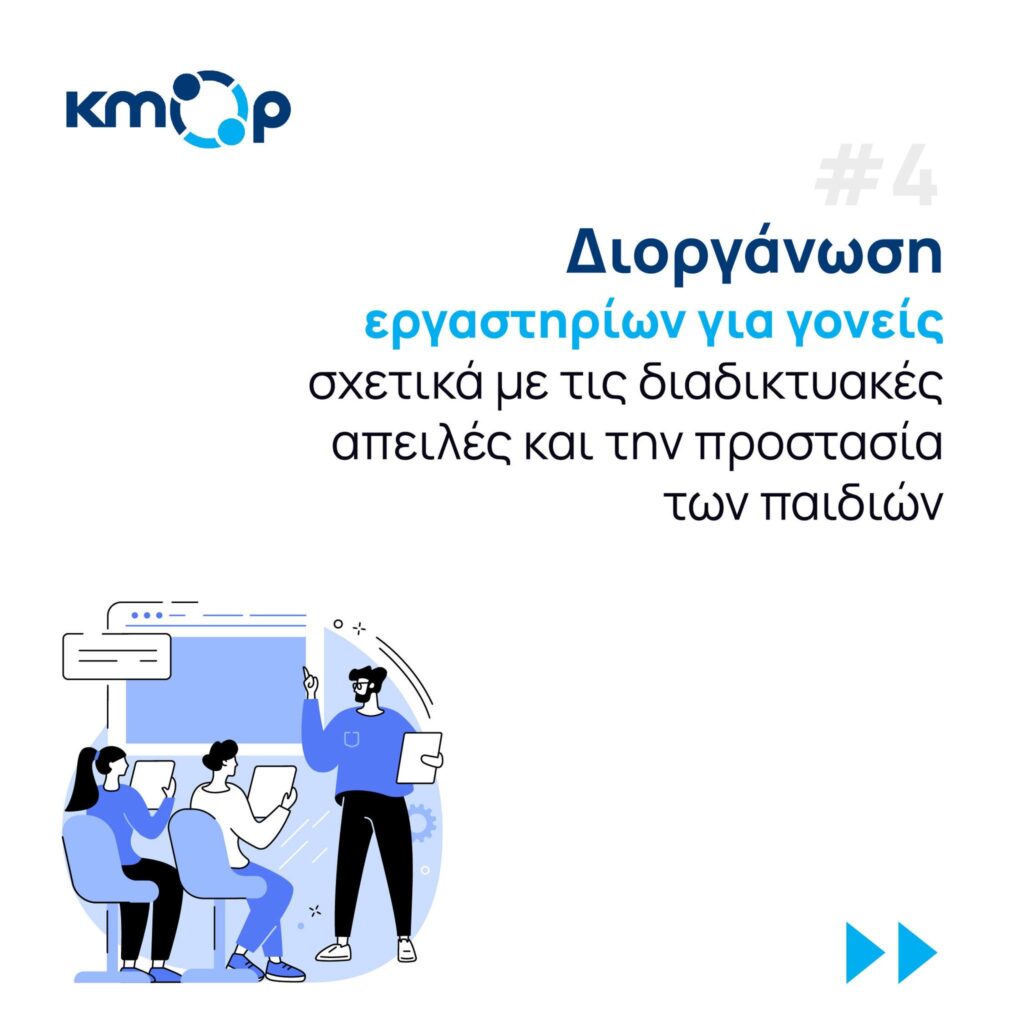
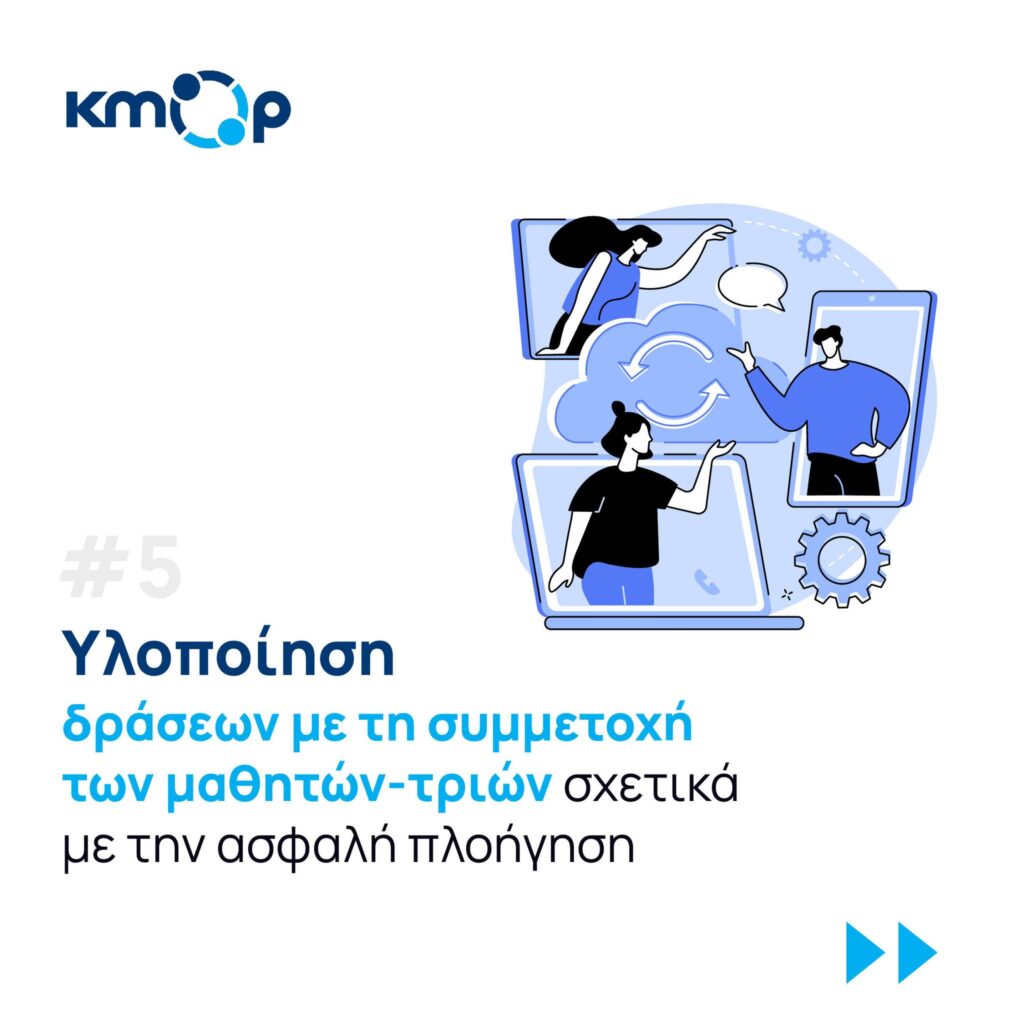
By showcasing key findings on children’s online safety and practical recommendations for how schools can foster a safer digital environment, the campaign encouraged audiences to explore the national study in greater depth.
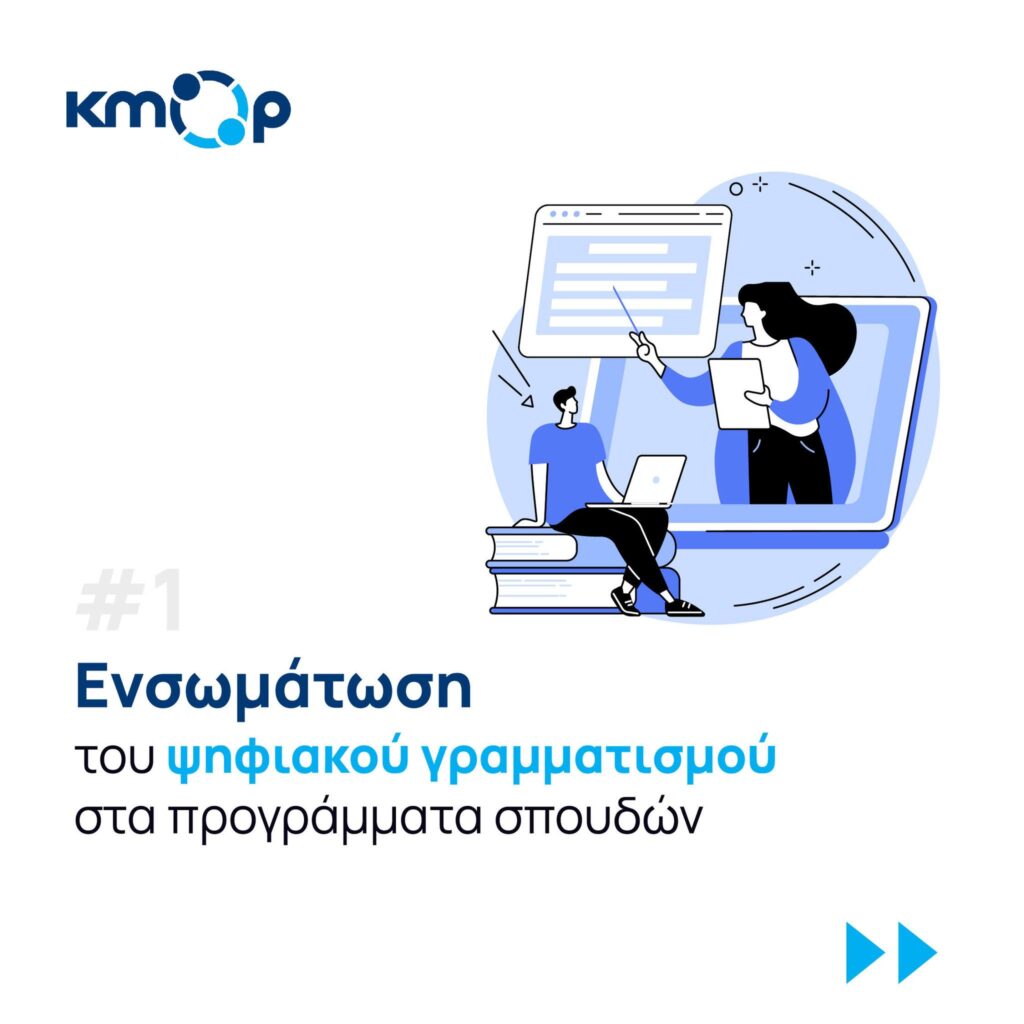
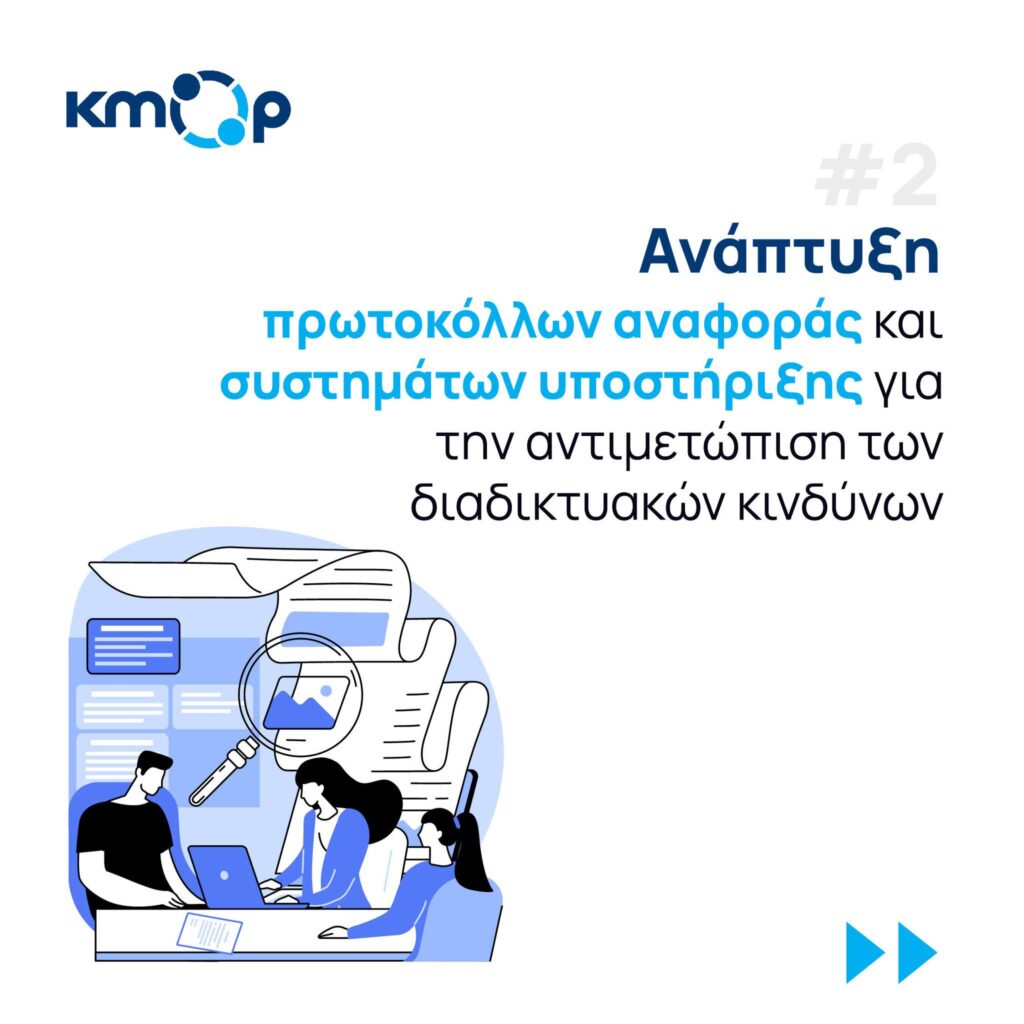
Phase 3: Amplifying reach through the Media | 8 January 2025-20 January 2025
In the final phase, KMOP engaged leading Greek media outlets to increase the outreach of the national report and extend the conversation to a wider audience.
The study was featured in top-tier national outlets, including:


These media placements helped bring the findings -and the issue of children’s digital safety- to the forefront of public debate in Greece.